Mesh vs. Tempered Glass PC Cases: Pros, Cons, and How to Decide
The most common PC case design choice today comes down to airflow versus showcase aesthetics — and increasingly, hybrid designs that try to offer both.
The most common PC case design choice today comes down to airflow versus showcase aesthetics — and increasingly, hybrid designs that try to offer both.
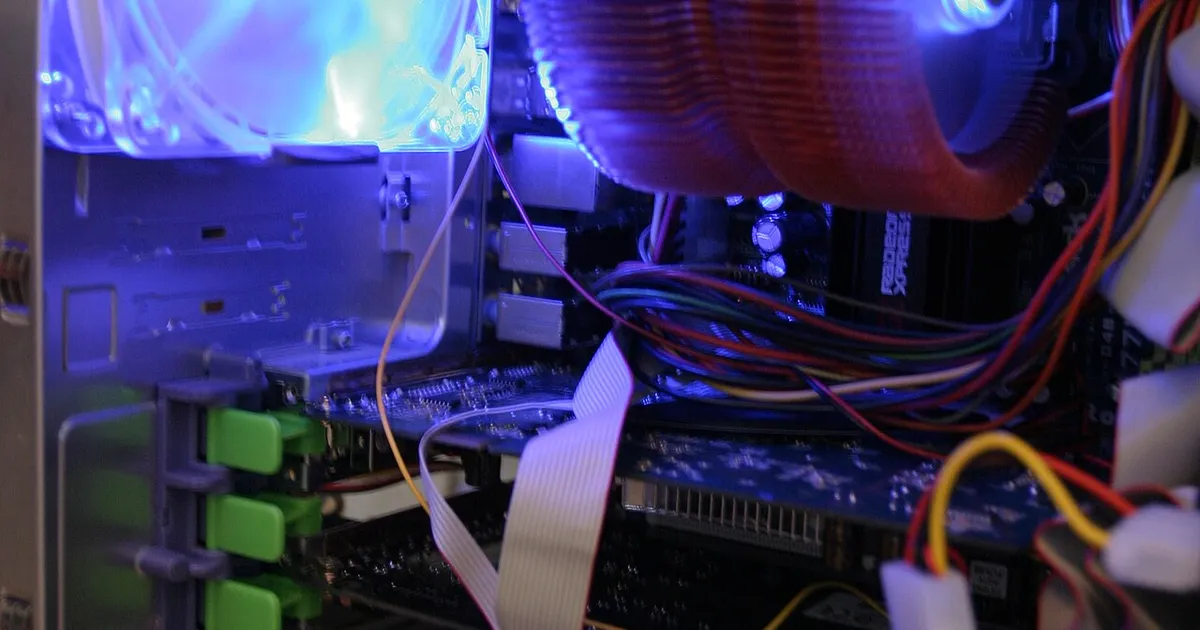
Photo by Paul Williams from the United Kingdom / Wikimedia Commons / CC BY 2.0
Walk through any list of gaming cases today and you’ll notice most fall into one of two camps: mesh-fronted cases built around maximizing airflow, and tempered glass cases built around showing off the build inside. Both are valid design philosophies, and the right choice depends on what you actually value more.
What mesh panels are optimized for
A mesh front (and sometimes top or side) panel is largely open, perforated material designed to let air pass through with minimal restriction. This generally allows intake and exhaust fans to move air more freely than a solid panel would, which translates to lower component temperatures for the same fan setup — or, put differently, the same temperatures with quieter, slower-spinning fans, since they don’t have to work as hard against restricted airflow. The tradeoff is that mesh panels let more dust in along with the air, meaning dust filters need more frequent cleaning, and mesh-heavy cases also tend to let more fan noise escape the case since there’s less solid material to dampen it.
What tempered glass panels are optimized for
A tempered glass panel — most commonly on one side of the case, sometimes on the front as well — is designed to show off the components inside, particularly appealing for builds with RGB lighting or otherwise visually distinctive parts. Glass panels are solid, which restricts airflow more than mesh in the same spot, and can also make a case quieter by containing fan noise better, similar to a solid metal panel. The core tradeoff is airflow for looks: a case with glass panels in place of what could otherwise be mesh will generally run warmer under the same internal hardware and fan configuration.
Hybrid designs try to split the difference
Many cases today combine both: a glass side panel to showcase the build, paired with a mesh front panel for intake airflow, since the front panel typically matters more for cooling than the side panel does in most airflow layouts. This has become a common default design pattern precisely because it captures most of the airflow benefit of mesh where it matters most while still allowing a visible build through the side panel. If you want both aesthetics and solid airflow without picking one extreme, this hybrid approach is worth prioritizing when comparing cases.
How much does this actually matter for your build
The airflow difference between a heavily mesh case and a heavily glass-paneled one is real and measurable, but its practical impact depends on your components. A build with a power-hungry GPU and CPU generating significant heat will benefit more noticeably from a mesh-forward design than a more modest build with lower total heat output, where a glass-forward case’s airflow disadvantage is less likely to meaningfully affect temperatures or performance.
Making the call
If you’re building with power-hungry components, live somewhere warm, or simply want the most cooling headroom for the least fan noise, lean mesh-forward, and prioritize front-panel airflow specifically. If you’re building a more modest system, care more about showing off the build, or are especially sensitive to case-transmitted fan noise, a glass-forward or hybrid design is a perfectly reasonable choice, particularly with a case that at least keeps the front panel mesh to preserve intake airflow where it matters most.
Our picks: PC cases
Shop on Amazon
Affiliate links.As an Amazon Associate I earn from qualifying purchases. Links below go to Amazon; prices and availability change, so check Amazon for current pricing.Affiliate disclosure
Illustrative photos: Photo by Paul Williams from the United Kingdom / Wikimedia Commons / CC BY 2.0; Photo by PantheraLeo1359531 / Wikimedia Commons / CC BY 4.0