80 Plus Certification Explained: Bronze, Silver, Gold, and Beyond
The 80 Plus tiers on PSU boxes measure efficiency, not raw power quality — but they still tell you a lot about heat, noise, and running cost. Here is how to read them.
The 80 Plus tiers on PSU boxes measure efficiency, not raw power quality — but they still tell you a lot about heat, noise, and running cost. Here is how to read them.
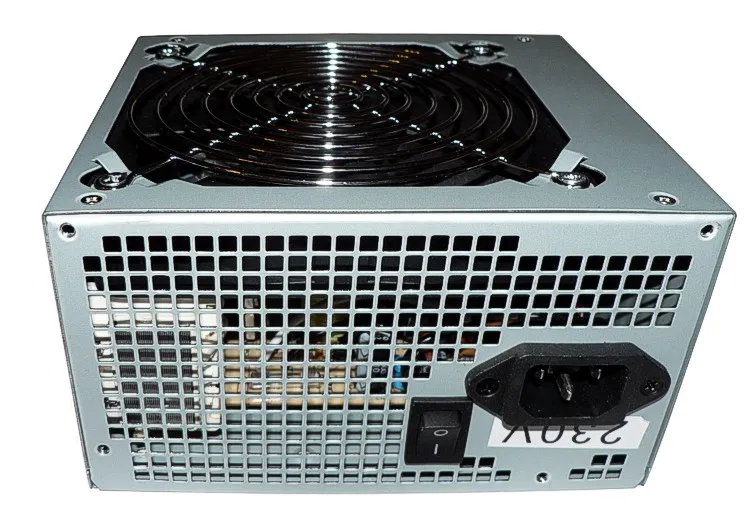
Photo by Baran Ivo / Wikimedia Commons / Public domain
Almost every power supply worth considering for a gaming build carries an 80 Plus certification of some tier, but it’s easy to see the badge on the box without actually understanding what it measures — or why it’s worth paying attention to.
What 80 Plus actually certifies
80 Plus is an independent certification program that tests how efficiently a power supply converts the AC power from your wall outlet into the DC power your components actually use. Every conversion process loses some energy as heat, and 80 Plus measures what percentage of input power actually makes it through to your components at specific load levels, rather than being wasted. A PSU with no certification at all can still work fine, but certification gives you independently tested efficiency numbers instead of taking a manufacturer’s word for it.
The tier system, from lowest to highest
80 Plus certification comes in a series of tiers — standard, Bronze, Silver, Gold, Platinum, and Titanium — each requiring a higher minimum efficiency percentage than the last, tested across multiple load levels rather than just one. The exact percentage thresholds are published by the certifying body and get more demanding at each tier, particularly at partial load levels, which matters because most PCs run their PSU at partial load, not full load, during typical use. Higher tiers require better internal components, which is reflected in typically higher prices for the same wattage rating as you move up the tiers.
Why efficiency matters beyond the electricity bill
A more efficient PSU wastes less power as heat, which has knock-on effects beyond just running cost:
- Less internal heat means the PSU’s own fan doesn’t have to work as hard, which often translates to lower noise, particularly under sustained gaming load.
- Lower total heat output inside the case as a whole, which modestly reduces the cooling burden on the rest of your system.
- Long-term running cost savings, which scale with how much you use the system and local electricity rates — this matters more for a system that runs for long stretches regularly than one used occasionally.
None of these effects are dramatic on their own, but they compound, and efficiency also tends to correlate with better overall build quality, since manufacturers pursuing higher certification tiers generally use higher-quality internal components to hit those efficiency targets.
Is certification a proxy for reliability?
Not directly — 80 Plus certifies efficiency specifically, not voltage stability, ripple suppression, protection circuitry, or overall reliability, which are separate qualities that don’t have their own equivalent standardized badge. That said, in practice, higher certification tiers correlate reasonably well with better overall unit quality, because achieving higher efficiency generally requires better components throughout the unit. It’s a useful signal, but it’s not a substitute for checking a unit’s broader reputation and warranty length.
Picking the right tier for your build
For most gaming builds, a Bronze or Gold-tier certified unit from a reputable manufacturer represents a sensible balance of cost and efficiency — Gold in particular has become a common sweet spot for mainstream builds. Platinum and Titanium tiers deliver genuine additional efficiency but at a real price premium that mainly pays off for systems that run under sustained heavy load for long periods, such as workstations or systems left on continuously. For a typical gaming PC used for a few hours at a time, that extra premium is one of the lower-priority places to spend a limited budget compared to the GPU, CPU, or overall build quality.
Our picks: Power supplies
Shop on Amazon
Affiliate links.As an Amazon Associate I earn from qualifying purchases. Links below go to Amazon; prices and availability change, so check Amazon for current pricing.Affiliate disclosure
Illustrative photos: Photo by Victor Korniyenko / Wikimedia Commons / CC BY-SA 3.0; Photo by Baran Ivo / Wikimedia Commons / Public domain