Motherboard Chipsets Explained: What the Letters Actually Mean
Chipset tier determines overclocking support, connectivity, and how many features you actually get — often a bigger factor than the board brand or looks.
Chipset tier determines overclocking support, connectivity, and how many features you actually get — often a bigger factor than the board brand or looks.
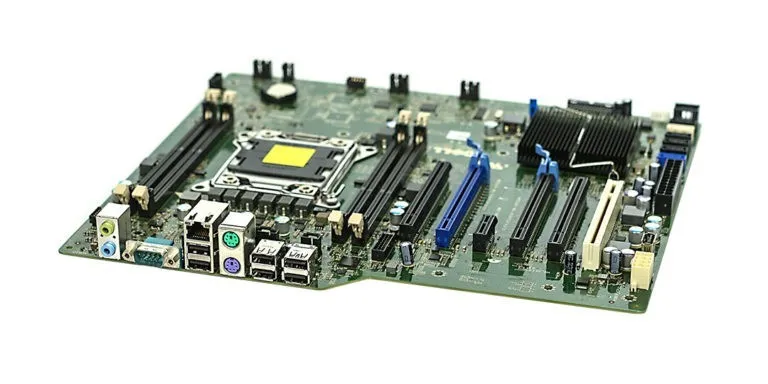
Photo by Marcin Wieclaw (pcsite.co.uk) / Wikimedia Commons / CC BY-SA 4.0
Every motherboard is built around a chipset — a controller that manages communication between the CPU and the rest of the system’s components, including storage, USB ports, and expansion slots. Chipsets are typically released in tiers for each CPU generation, and the tier has a bigger practical impact on what a board can do than most other spec sheet details.
What a chipset actually controls
The chipset governs how many high-speed lanes are available for storage and expansion cards, how many USB ports the board can support and at what speeds, whether overclocking is supported, and sometimes how many display outputs or networking features are included. Two motherboards built for the exact same CPU socket can differ significantly in capability purely based on which chipset tier they use, even before accounting for differences between individual board models within that tier.
The general tier structure
Chipset naming conventions differ between CPU platforms and change across generations, so specific letter or number codes aren’t worth memorizing — what’s worth understanding is the general pattern almost every platform follows:
- Entry-level tier. Covers the basics reliably but usually limits or omits overclocking support, offers fewer high-speed connectivity lanes, and includes fewer premium features. A sensible choice for a budget-focused build that won’t overclock.
- Mid-range tier. The most common sweet spot for mainstream gaming builds — a good balance of connectivity, some overclocking support depending on the platform, and reasonable pricing.
- Enthusiast/high-end tier. Maximum connectivity, full overclocking support, and the most premium features like extensive M.2 slots and higher-speed networking. Priced accordingly, and often more capability than a typical gaming build actually uses.
Matching chipset to CPU, not just socket
A CPU socket compatibility match doesn’t guarantee full feature support — some lower-tier chipsets restrict overclocking even on CPUs that otherwise support it, and some limit maximum RAM speed support compared to higher tiers on the same platform. If overclocking or running RAM at higher rated speeds matters to you, confirm the specific chipset tier supports it rather than assuming socket compatibility is enough.
Do you actually need overclocking support?
Overclocking — running a CPU or RAM above its stock specifications for extra performance — is the single biggest feature differentiator between chipset tiers on many platforms. If you have no interest in manually overclocking or don’t want to deal with additional heat, noise, and stability tuning that can come with it, an entry-level or mid-range chipset that doesn’t support it is not a real loss and can meaningfully reduce cost. If overclocking is something you specifically want to explore, verify chipset support before buying rather than assuming any board on your CPU’s socket will allow it.
Practical buying advice
For most gaming builds, mid-range chipset tier motherboards deliver the best value: solid connectivity, adequate power delivery for the CPUs typically paired with them, and enough features for a well-rounded build without paying for enthusiast-tier capabilities most gamers won’t use. Reserve entry-level chipsets for genuinely tight budgets where every dollar needs to go toward the GPU or CPU instead, and reserve high-end chipsets for builds where you specifically know you need their extra connectivity, overclocking headroom, or premium features.
Our picks: Motherboards
Shop on Amazon
Affiliate links.As an Amazon Associate I earn from qualifying purchases. Links below go to Amazon; prices and availability change, so check Amazon for current pricing.Affiliate disclosure
Illustrative photos: Photo by Marcin Wieclaw (pcsite.co.uk) / Wikimedia Commons / CC BY-SA 4.0; Photo by PantheraLeo1359531 / Wikimedia Commons / CC BY 4.0