How to Tell a Real Gaming Chair Review From a Sponsored One
The signs that a gaming chair review reflects genuine, extended use rather than a quick sponsored writeup built around an affiliate link.
Main page for gaming chairs: Gaming Chairs →
The signs that a gaming chair review reflects genuine, extended use rather than a quick sponsored writeup built around an affiliate link.
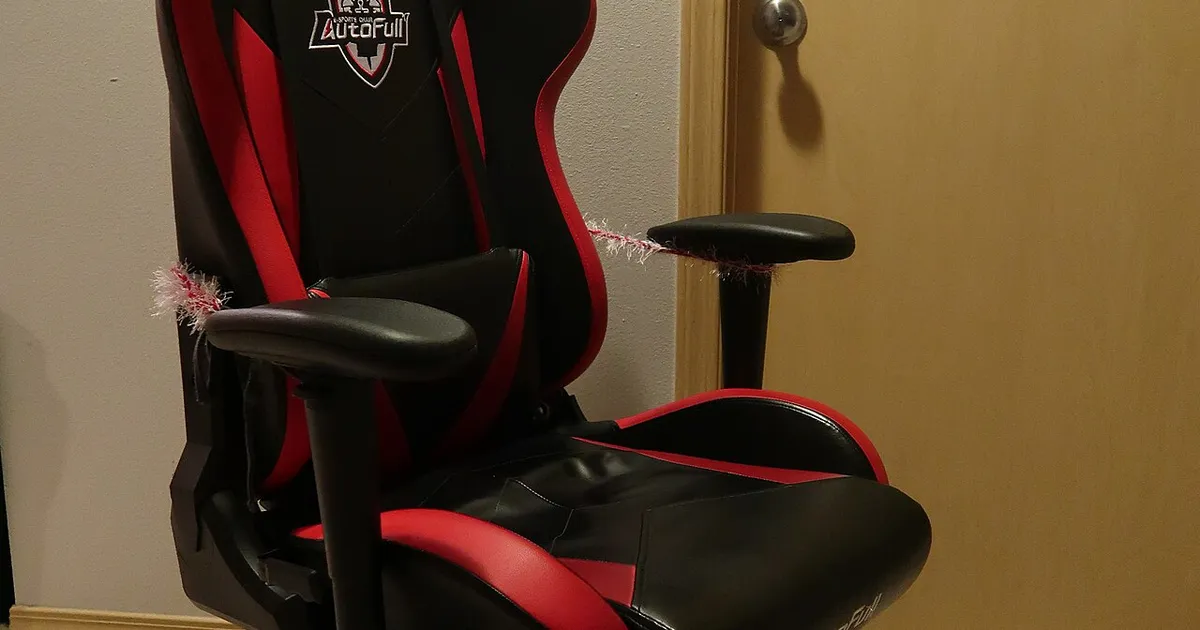
Photo by Ndurliat / Wikimedia Commons / CC BY-SA 4.0
Gaming chairs are a category where sponsored content is especially common, because chairs are expensive to ship for review and manufacturers have a strong incentive to make sure a reviewed unit gets a positive writeup. That doesn’t mean every review with a manufacturer relationship is dishonest — plenty of outlets receive review units and still write critically — but it does mean you need to know what a genuine, extended-use review looks like so you can tell it apart from a rushed one.
Time Matters More With Chairs Than With Almost Any Other Category
A chair can feel comfortable in the first twenty minutes and still be a poor long-term choice — foam that seems plush on day one can compress and go flat within months, and lumbar support that feels fine during a short sit-test can turn out to be positioned wrong for actual multi-hour sessions. A review written the same week a chair arrived can only speak to first impressions. Look for language that indicates real elapsed time: weeks of daily use, mention of how the padding felt after the first month versus at unboxing, or an explicit note that the review will be updated after longer use.
Check Whether the Review Names Specific Measurements
A trustworthy chair review states actual seat width, depth, and height range — numbers you can compare against your own body — rather than just asserting the chair “fits most people.” It should also state the manufacturer’s weight rating and, ideally, note whether the reviewer’s own weight and height fall within or outside the chair’s intended range, since a chair reviewed by someone well within spec tells you less about how it performs at the edges of its rated capacity.
Look at What the Review Says Is Bad
Every chair, including good ones, has tradeoffs: armrests that don’t adjust far enough for very short or tall users, a recline mechanism that feels loose at the top of its range, a headrest that’s an awkward height for certain neck lengths. A review with zero criticism anywhere in it, especially for a product in a category as fit-dependent as chairs, is a signal to look elsewhere for a second opinion. Genuine long-term testers almost always find something to flag.
Disclosure Should Be Easy to Find
Reputable reviewers disclose when a chair was provided for free by the manufacturer, and that disclosure alone doesn’t invalidate the review — it’s a normal and legitimate practice as long as it’s transparent and doesn’t buy favorable coverage. What matters is whether the disclosure exists at all and whether the review reads like it was written independently of that relationship, with real critical observations rather than a rewritten spec sheet.
What GamingScrims’ Chair Review Process Will Look Like
Once our hands-on chair testing is live, our process will center on extended use — sitting in a chair across real work and gaming sessions over time, not a single afternoon — with methodology and any manufacturer relationship disclosed upfront, in line with our editorial policy. Coverage and ranking won’t be for sale, and reviews won’t ship until there’s been enough time in the chair to say something meaningful about it.
A Short Checklist
- Does the review mention weeks (not days) of use?
- Are seat dimensions and weight rating stated as numbers, not vague claims?
- Is there at least one real criticism?
- Is any manufacturer relationship disclosed clearly?
If a review can’t check most of these boxes, treat it as a first impression rather than a verdict.
Our picks: Gaming chairs
Shop on Amazon
Affiliate links.As an Amazon Associate I earn from qualifying purchases. Links below go to Amazon; prices and availability change, so check Amazon for current pricing.Affiliate disclosure
Illustrative photos: Photo by Marchuk17 / Wikimedia Commons / CC BY-SA 4.0; Photo by Ndurliat / Wikimedia Commons / CC BY-SA 4.0