How to Choose the Right Peripherals for Your Playstyle
A practical guide to matching keyboards, mice, and headsets to the genres you actually play, instead of chasing whatever is trending.
Main page for gaming setups: Setup Inspiration →
A practical guide to matching keyboards, mice, and headsets to the genres you actually play, instead of chasing whatever is trending.
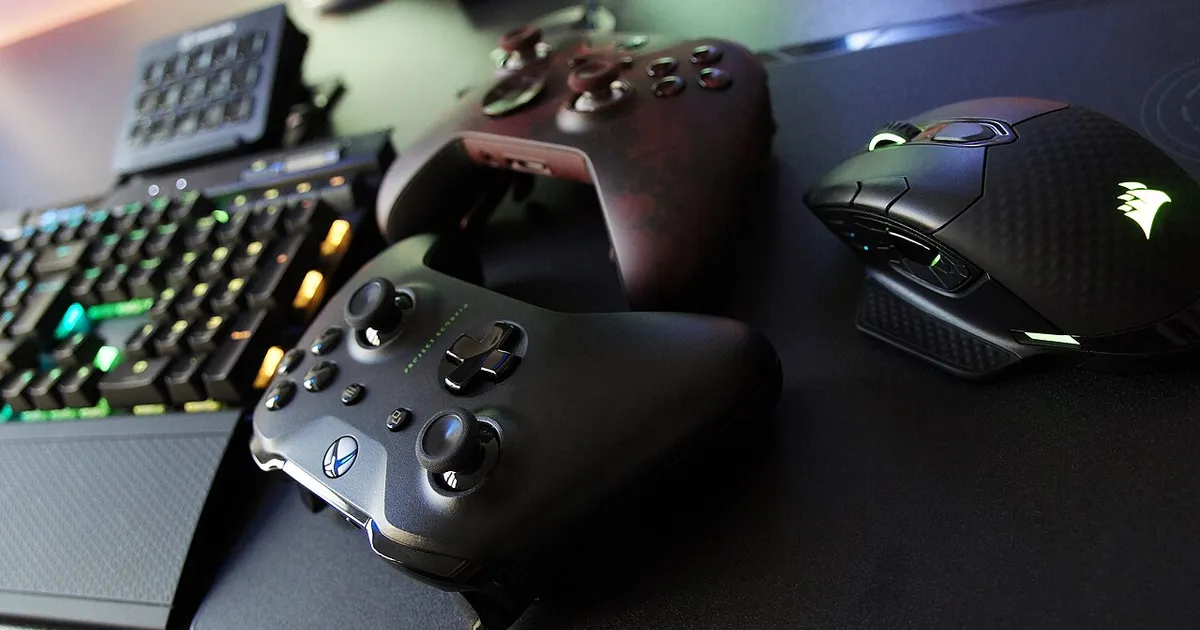
Photo by Jean-Marc Trappler / Wikimedia Commons / CC BY-SA 4.0
Most peripheral shopping starts backwards. A player sees a flashy keyboard in a stream overlay or a mouse a pro uses and buys it, only to find it doesn’t suit how they actually play. The better approach is to start with your playstyle and genre mix, then work outward to the gear that supports it.
Start With What You Actually Play
Before looking at specs, be honest about your rotation. Someone who splits time between competitive shooters and long RPG sessions has very different needs than someone who plays almost exclusively real-time strategy or fighting games. Write down your top two or three genres and think about what each one demands: fast, repeatable inputs; sustained comfort over long sessions; precise analog control; or a huge number of accessible keybinds.
Matching Mice to Movement
- Fast-paced shooters usually benefit from a lighter mouse with a shape that supports quick flicks and consistent grip, since fatigue over a long session directly affects aim consistency.
- MOBA and RTS titles often reward extra programmable side buttons more than raw weight savings, since click-heavy actions and ability activation matter more than flick speed.
- General and productivity-leaning use is usually better served by a mouse tuned for comfort across hours rather than one optimized purely for competitive response.
Sensor quality matters less than most marketing suggests once you’re above a baseline modern sensor. Shape, weight, and button placement make a bigger practical difference for most players than chasing ever-higher DPI numbers.
Keyboard Considerations Beyond Switch Hype
Switch type gets most of the attention, but layout and size matter just as much for playstyle fit:
- A compact layout (60% or tenkeyless) frees up desk space for mouse movement, which matters more for genres relying on wide sweeping motions.
- A full-size or macro-heavy board benefits genres with large ability rotations, like MMOs, where quick access to many binds outweighs desk space concerns.
- Switch feel (linear, tactile, or clicky) is genuinely personal — if possible, try before buying, since online opinions vary widely and personal preference plays a large role.
Headsets: Positional Audio vs. Comfort vs. Communication
Competitive shooter players often prioritize accurate positional audio to hear footsteps and directional cues. Story-driven or long-session players may care more about comfort padding and sound signature for music or ambient design. Anyone regularly in team voice chat should weigh microphone clarity heavily, since it affects teammates as much as it affects you.
A Simple Framework for Deciding
- List your top genres by hours played, not by what you aspire to play more of.
- For each genre, note the one or two mechanical demands that matter most (speed, precision, endurance, button count).
- Prioritize peripherals that address your highest-hour genre first, rather than trying to find one “do everything” setup.
- Treat any purchase as provisional for the first couple of weeks — comfort and habit take time to reveal themselves, and what feels great in a five-minute test can feel different after a three-hour session.
Final Thought
There’s no universally “best” peripheral setup, only setups that are well matched to how a specific person plays. Spending an extra ten minutes thinking through your actual usage pattern before buying will do more for your experience than any single spec upgrade.
Our picks: Graphics cards & Processors
Shop on Amazon
Affiliate links.As an Amazon Associate I earn from qualifying purchases. Links below go to Amazon; prices and availability change, so check Amazon for current pricing.Affiliate disclosure
NVIDIA GeForce RTX 5070 Ti
16GB card that handles high-refresh 1440p and entry 4K.
Check price on Amazon
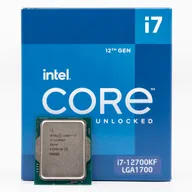

Illustrative photos: Photo by Timothy Borkowski / Wikimedia Commons / CC BY-SA 3.0; Photo by Myself User:ZyMOS / Wikimedia Commons / CC BY-SA 4.0; Photo by Advanced Micro Devices, Inc. (AMD) / Wikimedia Commons / Attribution; Photo by Jacek Halicki / Wikimedia Commons / CC BY-SA 4.0; Photo by Ondřej Martin Mach / Wikimedia Commons / CC BY-SA 3.0