Extended Warranties and Protection Plans for Consoles: Are They Worth It?
How to think about extended warranties and protection plans for consoles and handhelds, including what manufacturer coverage already includes.
How to think about extended warranties and protection plans for consoles and handhelds, including what manufacturer coverage already includes.
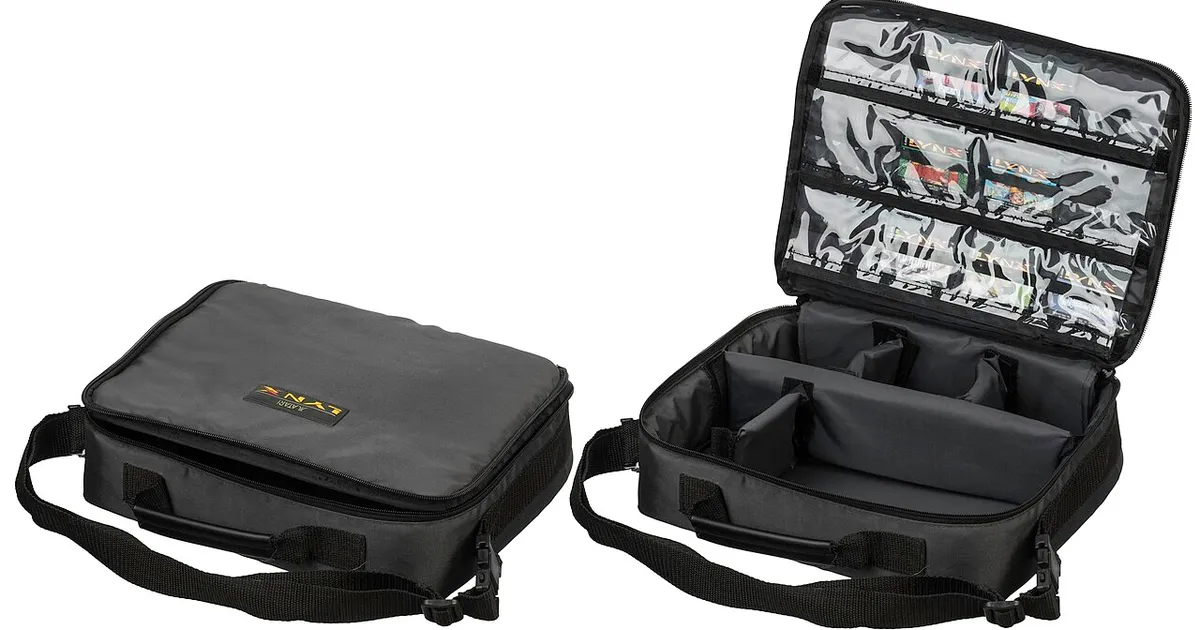
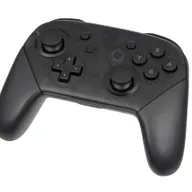
Photo by Evan-Amos / Wikimedia Commons / Public domain
Extended warranties and store protection plans get offered on almost every console and handheld purchase, and the pitch is always some version of “peace of mind.” Whether that peace of mind is worth the price depends on a few specific factors worth thinking through before saying yes at checkout.
What Manufacturer Warranties Typically Cover
Most consoles and handhelds come with a manufacturer warranty covering defects in materials or workmanship for a limited period after purchase, though the exact length and terms vary by manufacturer and region — always check the specific coverage for your device rather than assuming. This baseline coverage generally handles genuine hardware failures that aren’t your fault, but it typically excludes accidental damage like drops, spills, or physical abuse, and it usually doesn’t cover normal wear items like drifting analog sticks once they fall outside the covered defect window.
What Extended Plans Add
Extended warranties and third-party protection plans generally do one or both of two things: extend the coverage period beyond the manufacturer’s original warranty, and/or add coverage for accidental damage that standard warranties exclude. The value of a plan depends heavily on which of these it actually provides — a plan that only extends defect coverage slightly further into the future is worth much less to most owners than one that also covers a dropped or spilled-on handheld, since accidental damage is a far more common real-world failure mode for portable devices than a manufacturing defect showing up after the standard warranty period.
When a Protection Plan Makes Sense
A few situations tend to make a protection plan more worthwhile:
- Handhelds, given their higher exposure to drops and travel damage, benefit more from accidental damage coverage than stationary home consoles that mostly sit in one place.
- Devices used by children or in high-traffic households carry higher real-world risk of drops, spills, and rough handling.
- If you don’t already have relevant coverage elsewhere — some credit cards or homeowner’s/renter’s insurance policies include extended warranty or accidental damage protections that can make a separately purchased plan redundant.
Conversely, a stationary home console kept in one place, used carefully by adults, and already covered by a reasonably long manufacturer warranty is a weaker case for paying extra for a protection plan.
Questions to Ask Before Buying One
Before adding a protection plan to your cart, get clear answers to:
- Does it cover accidental damage, or only extend standard defect coverage?
- What’s the claims process, and how long does replacement or repair typically take?
- Are there deductibles, per-incident limits, or a cap on the number of claims allowed?
- Does the plan transfer if you sell or gift the device, and does it survive a factory reset or software update?
- Is equivalent coverage already available through a card benefit or existing insurance policy you’re already paying for?
Bottom Line
Extended warranties aren’t inherently a bad deal, but their value depends entirely on what specific damage they cover and how that matches your actual risk — a portable handheld used by kids benefits far more than a stationary console handled carefully by one adult. Read the specific terms rather than the marketing pitch, and check for overlapping coverage you might already have before paying twice for the same protection.
Our picks: Console accessories & Controllers
Shop on Amazon
Affiliate links.As an Amazon Associate I earn from qualifying purchases. Links below go to Amazon; prices and availability change, so check Amazon for current pricing.Affiliate disclosure
PlayStation DualSense Wireless Controller
Haptics and adaptive triggers on PS5 and PC.
Check price on AmazonXbox Rechargeable Battery + USB-C Cable
Replaces AA batteries in your controller.
Check price on Amazon
Illustrative photos: Photo by Dmitry Nosachev / Wikimedia Commons / CC BY-SA 4.0; Photo by Microsoft / Wikimedia Commons / CC BY-SA 4.0; Photo by Alex Cochrane / Wikimedia Commons / CC BY-SA 4.0; Photo by Evan-Amos / Wikimedia Commons / Public domain